Does Doing Good Give Us a Free Pass?
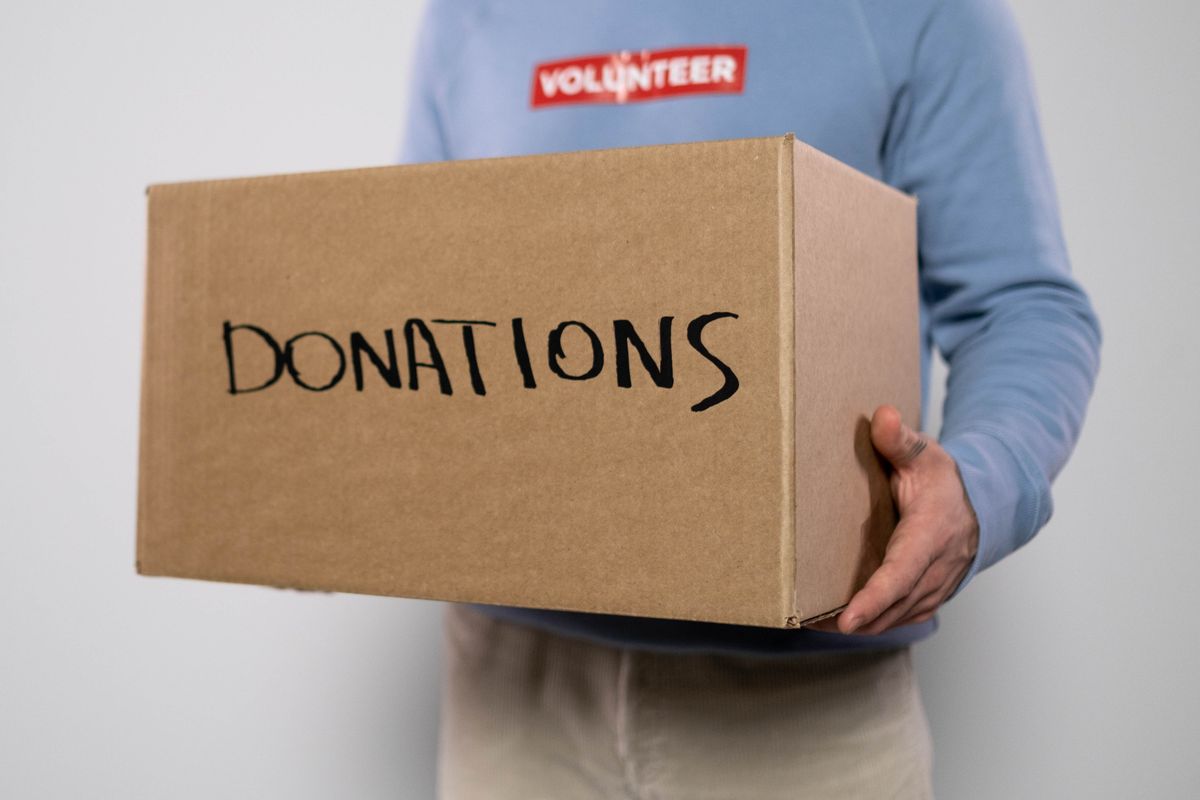
Photo: cottonbro studio / Pexels
Sound familiar?
You buy lunch for a friend who forgot their wallet. Later, you’re splitting a restaurant bill with a different group. You ordered more expensive food but suggest splitting everything equally so you pay less.
You think: “I already treated someone today. It’s okay if I save a little this time.”
What’s happening?
That thought can be an example of moral licensing: when doing something good makes us feel like we’ve earned a free pass on a choice we’d normally question.
Buying your friend lunch was generous. But that doesn’t make it fair to quietly pass some of your costs onto other friends.
Splitting a bill equally can be perfectly fair when everyone understands and agrees. The question is whether you’re using “I already did something good” to justify benefiting yourself at someone else’s expense.
One habit to try
Give each choice a fresh look. Ask yourself:
If I hadn’t done that good thing earlier, would I still feel okay about this?
Be proud of the good you did. Then decide whether your next choice feels right on its own.
Have you ever thought, “I’ve done something good, so this is okay,” about a choice you’d usually question?
Share your perspective →Blanken, van de Ven, and Zeelenberg (2015). A Meta-Analytic Review of Moral Licensing.
Illustrative examples and suggested habits are educational adaptations, not claims that the cited study tested every scenario or activity.