Swipe Now, Cry Later: How Credit Cards Change How You Spend
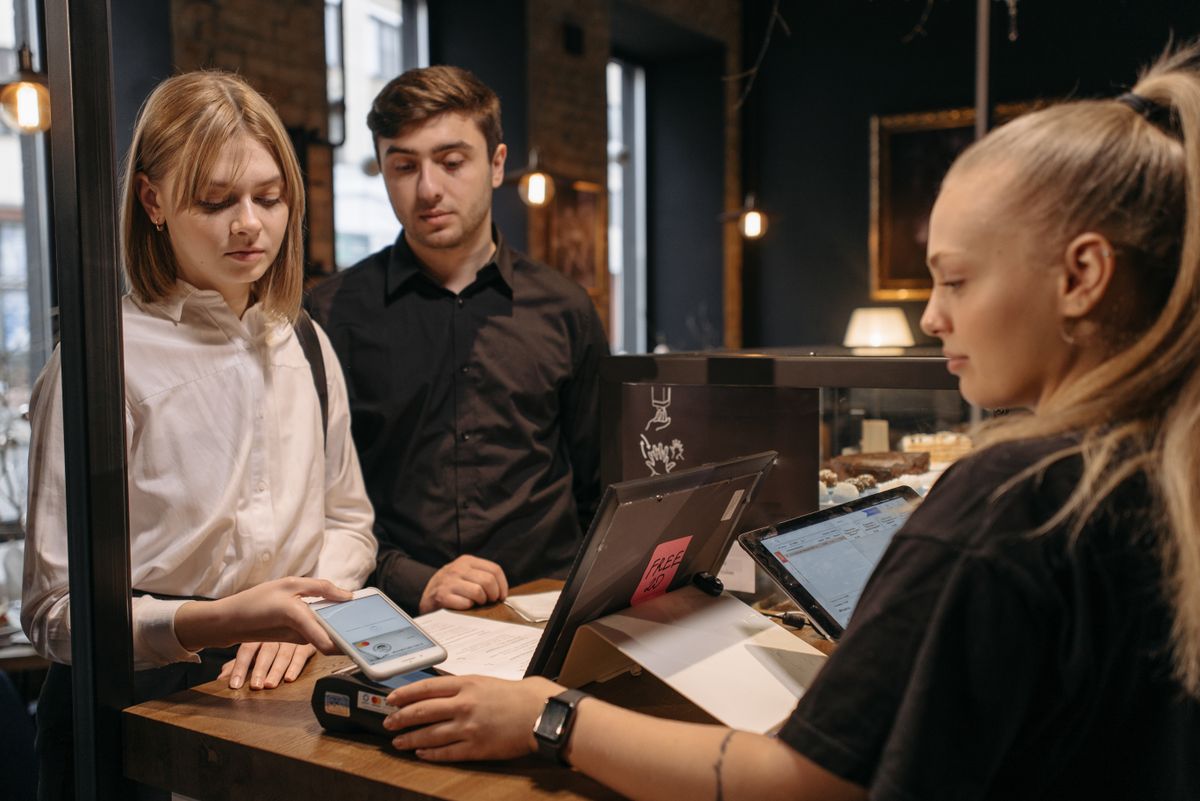
Photo: Pavel Danilyuk / Pexels
Sound familiar?
You’re out with friends. Lunch, a drink, then a quick ride home. Each payment takes a tap, and none feels like a big deal.
Later, you add them up: “Wait—I spent how much?”
What’s happening?
Buy now. Feel the cost later. With a credit card, you get what you want right away, but the bill comes later. That can make spending feel easier in the moment.
This is called payment decoupling—buying something and paying for it feel like separate events, even though they’re connected.
Think about ordering food through an app with a saved card. You’re focused on your fries arriving, and paying takes just a tap. It’s easy to give the cost less attention when you never have to open your wallet.
The payment feels small. The total still adds up.
One habit to try
Make the total visible. Before your next purchase, check what you’ve already spent that day and add the new amount—including fees and tips.
Would I make the same choice if I had to hand over this amount in cash?
You can still choose to buy it. The goal is to notice the cost before it blends into the background.
Does paying with cash feel different from tapping a card or using a saved payment? What do you notice?
Share your perspective →Illustrative examples and suggested habits are educational adaptations, not claims that the cited study tested every scenario or activity.